
Temple · Athens, Greece
Temple of Hephaestus
The Temple of Hephaestus or Hephaisteion (also "Hephesteum" or "Hephaesteum"; Ancient Greek: Ἡφαιστεῖον, Greek: Ναός Ηφαίστου, and formerly called in error the Theseion or "Theseum"; Ancient Greek: Θησεῖον, Greek: Θησείο), is a well-preserved Greek temple dedicated to Hephaestus; it remains standing largely intact today. Built c. 501 BC.
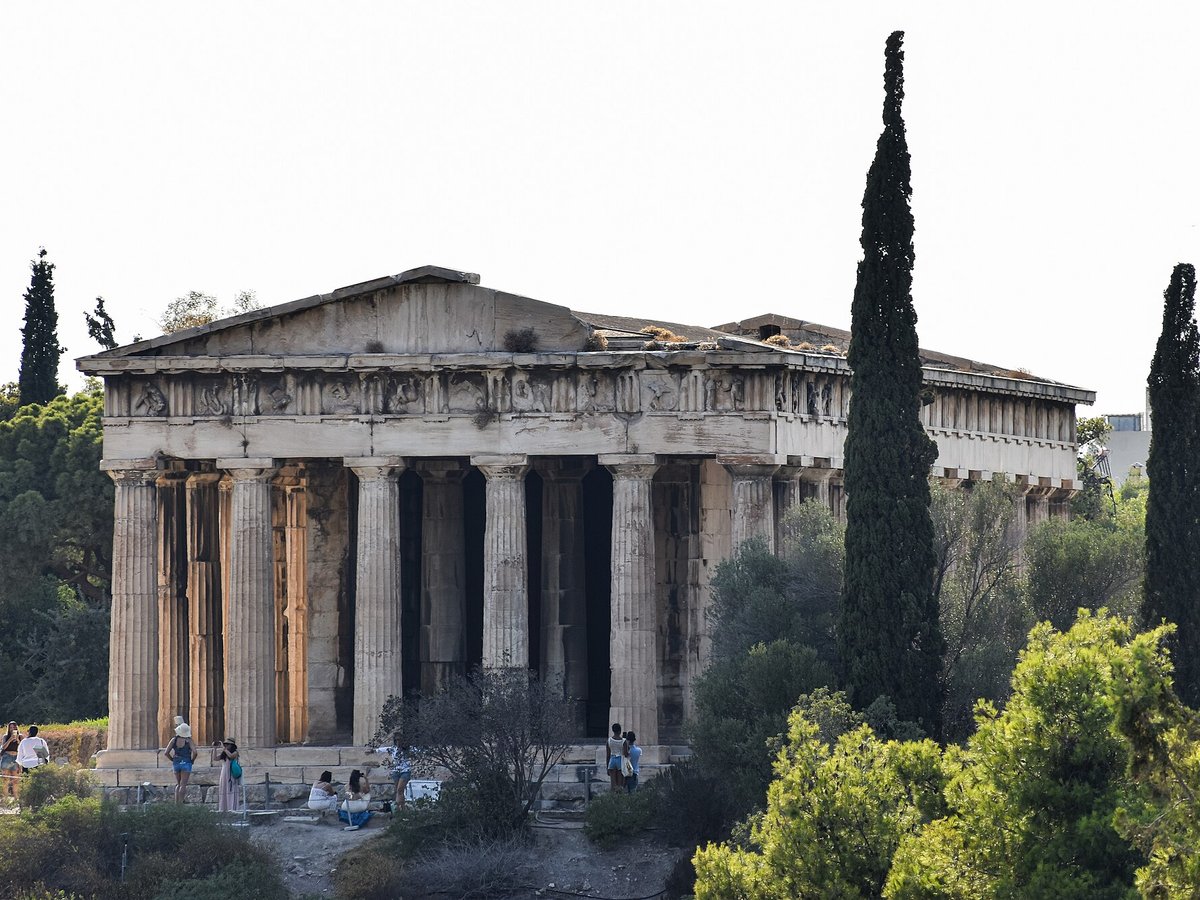
Photo: Julian Lupyan via Wikimedia Commons, CC0. Cropped and resized for display.
Landmark facts
| Location | Athens, Greece |
|---|---|
| Type | Temple |
| Built | c. 501 BC |
| Coordinates | 37.9756° N, 23.7214° E |
Every fact above is taken from the sources listed below; anything no source states is left blank rather than guessed.
What Temple of Hephaestus is known for
The Temple of Hephaestus or Hephaisteion (also "Hephesteum" or "Hephaesteum"; Ancient Greek: Ἡφαιστεῖον, Greek: Ναός Ηφαίστου, and formerly called in error the Theseion or "Theseum"; Ancient Greek: Θησεῖον, Greek: Θησείο), is a well-preserved Greek temple dedicated to Hephaestus; it remains standing largely intact today.
About Temple of Hephaestus
The Temple of Hephaestus or Hephaisteion (also "Hephesteum" or "Hephaesteum"; Ancient Greek: Ἡφαιστεῖον, Greek: Ναός Ηφαίστου, and formerly called in error the Theseion or "Theseum"; Ancient Greek: Θησεῖον, Greek: Θησείο), is a well-preserved Greek temple dedicated to Hephaestus; it remains standing largely intact today. It is a Doric peripteral temple, and is located at the north-west side of the Agora of Athens, on top of the Agoraios Kolonos hill. From the 7th century until 1834, it served as the Greek Orthodox church of Saint George Akamates.
History
After the Battle of Plataea, the Greeks swore never to rebuild their sanctuaries destroyed by the Persians during their invasion of Greece, but to leave them in ruins, as a perpetual reminder of the war. The Athenians directed their funds towards rebuilding their economy and strengthening their influence in the Delian League. When Pericles came to power, he envisioned a grand plan for transforming Athens into the centre of Greek power and culture.
How to get there
| Nearest town | Athens |
|---|---|
| Nearest airport | Eleftherios Venizelos International Airport (ATH) |
| Distance from the airport | 12.6 miles (straight line) |
Nearest major airport by straight-line distance from the landmark’s coordinates; road distance will be longer.
Airports near this landmark
The airports a visitor would actually fly into, nearest first — each link opens its profile on our sister site AirportProfiles.
- Athens Eleftherios Venizelos International Airport (ATH) · Spata-Artemida, Greece · 12.5 miles away
- Santorini International Airport (JTR) · Santorini Island, Greece · 145.6 miles away
Landmarks nearby
The closest landmarks in this library, by straight-line distance.
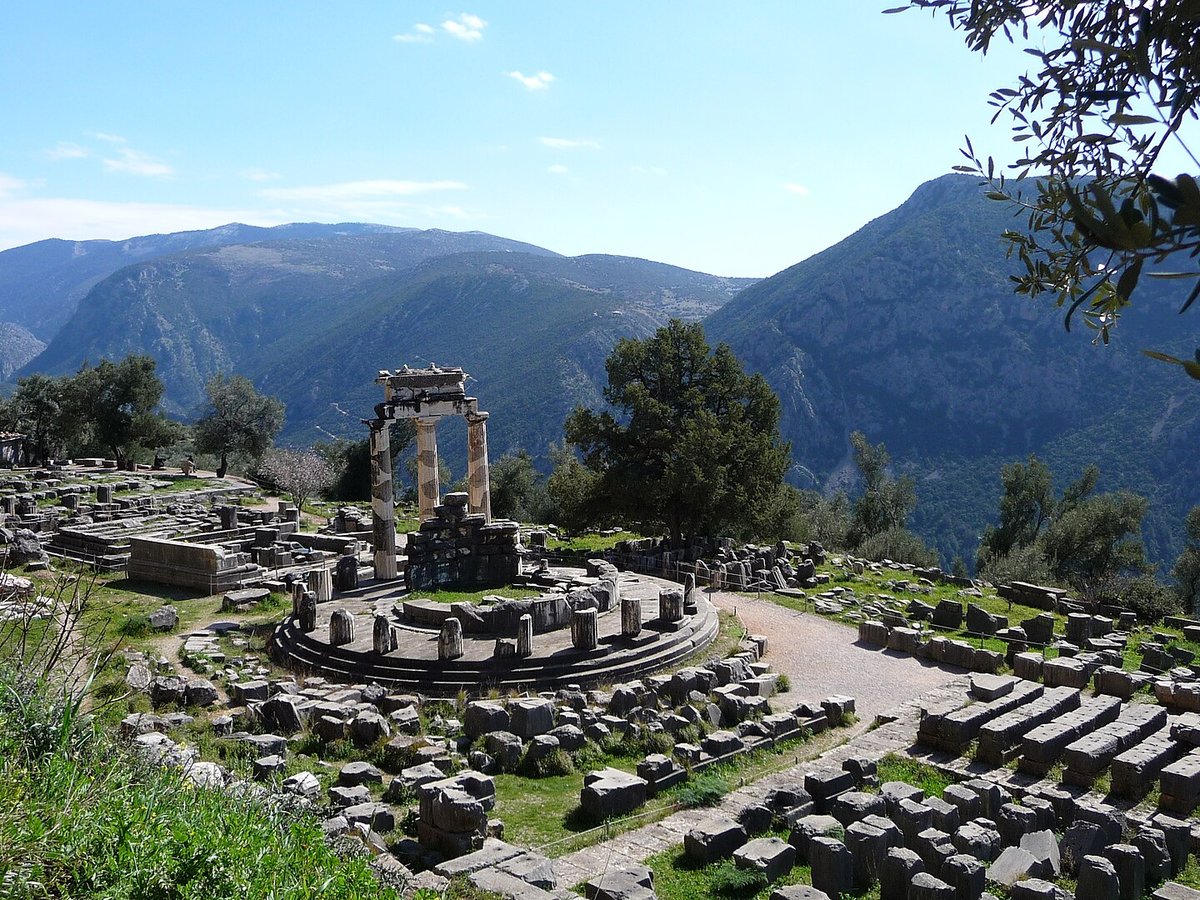
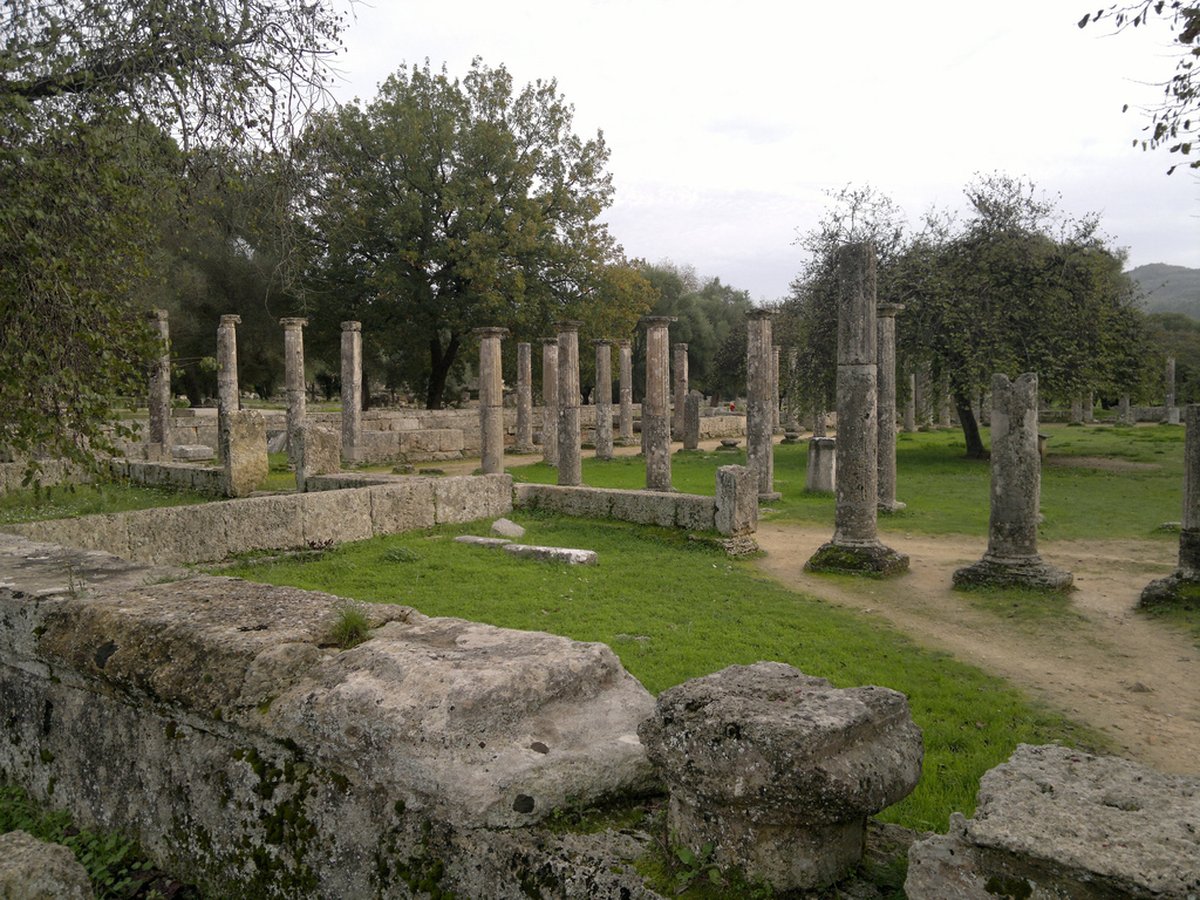
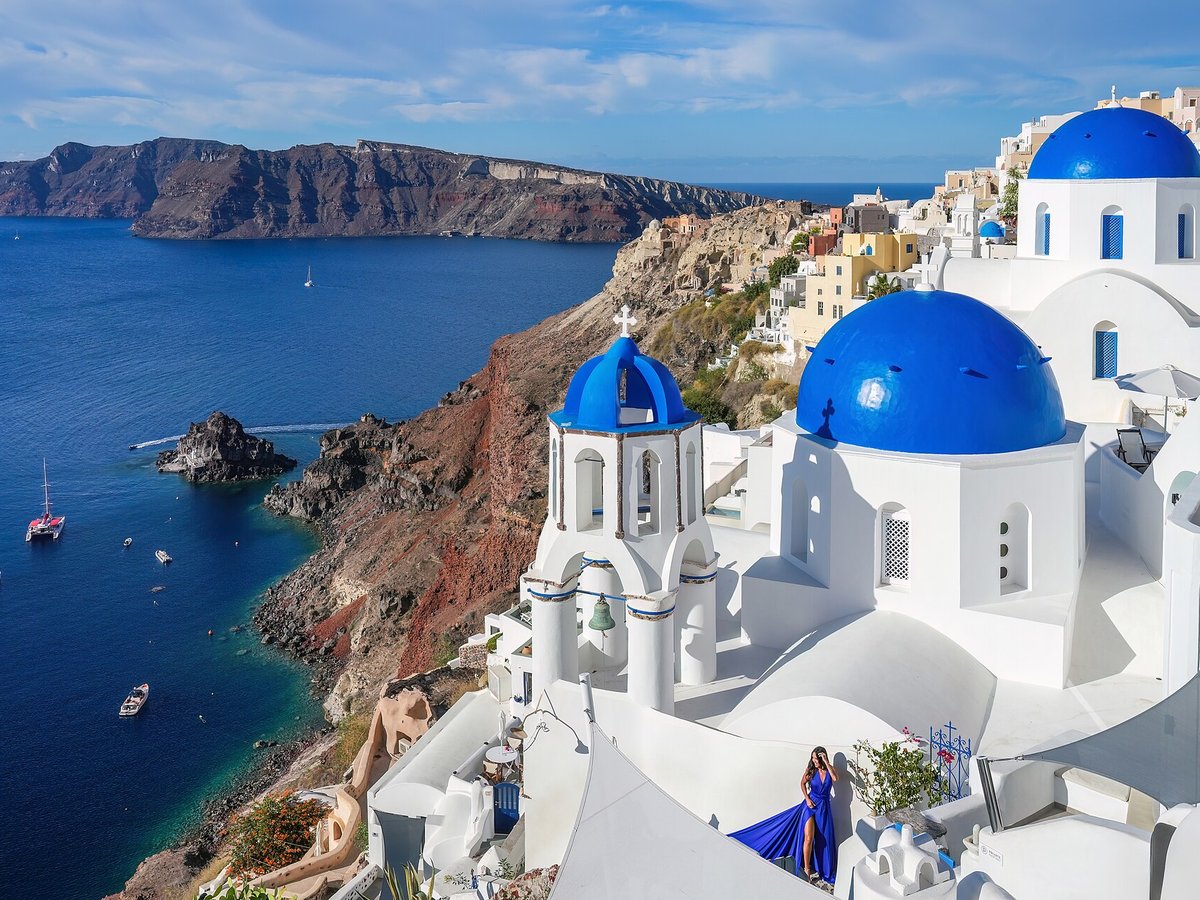
More landmarks in Greece
More temples
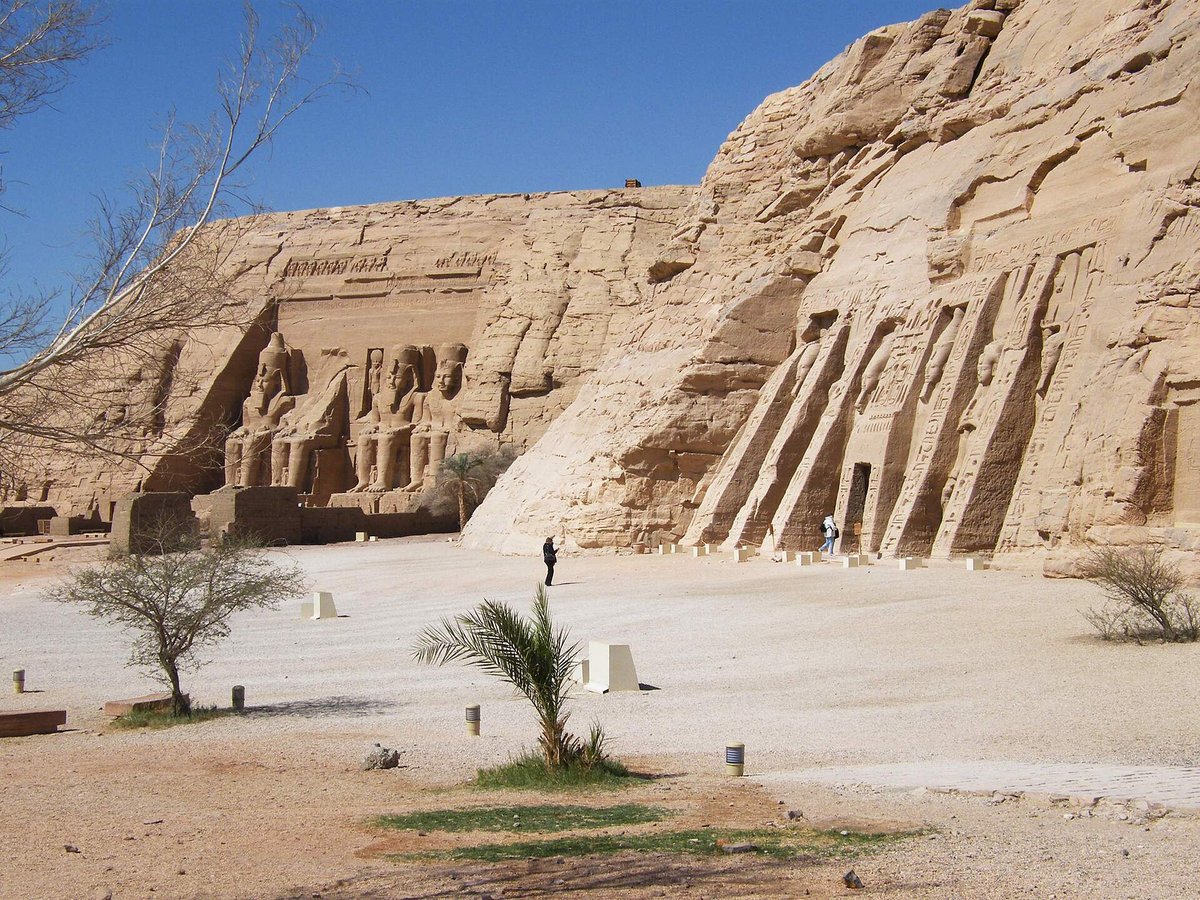


Frequently asked questions
What is Temple of Hephaestus?
The Temple of Hephaestus or Hephaisteion (also "Hephesteum" or "Hephaesteum"; Ancient Greek: Ἡφαιστεῖον, Greek: Ναός Ηφαίστου, and formerly called in error the Theseion or "Theseum"; Ancient Greek: Θησεῖον, Greek: Θησείο), is a well-preserved Greek temple dedicated to Hephaestus; it remains standing largely intact today.
Where is Temple of Hephaestus located?
Temple of Hephaestus is in Athens, Greece. Its coordinates are 37.9756° N, 23.7214° E.
How do I get to Temple of Hephaestus?
The nearest town is Athens, and the nearest airport is Eleftherios Venizelos International Airport (ATH), about 12.6 miles away (straight line).
When was Temple of Hephaestus built?
Temple of Hephaestus was built c. 501 BC.
Sources
- https://en.wikipedia.org/wiki/Temple_of_Hephaestus — Wikipedia article — overview, history and core facts (CC BY-SA).
- https://www.wikidata.org/wiki/Q756824 — Wikidata — built year, architect, height/size, visitors, official website (CC0).
- https://github.com/jbrooksuk/JSON-Airports — Nearest major airport computed from landmark and airport coordinates (haversine); airport list: jbrooksuk/JSON-Airports.
Page last updated 13 November 2026.