
Historic Site · Bamiyan, Afghanistan
Buddhas of Bamiyan
The Buddhas of Bamiyan were two monumental Buddhist reliefs in the Bamiyan Valley of what is now Afghanistan, carved possibly around the 6th-century. Built c. 6th–7th century.
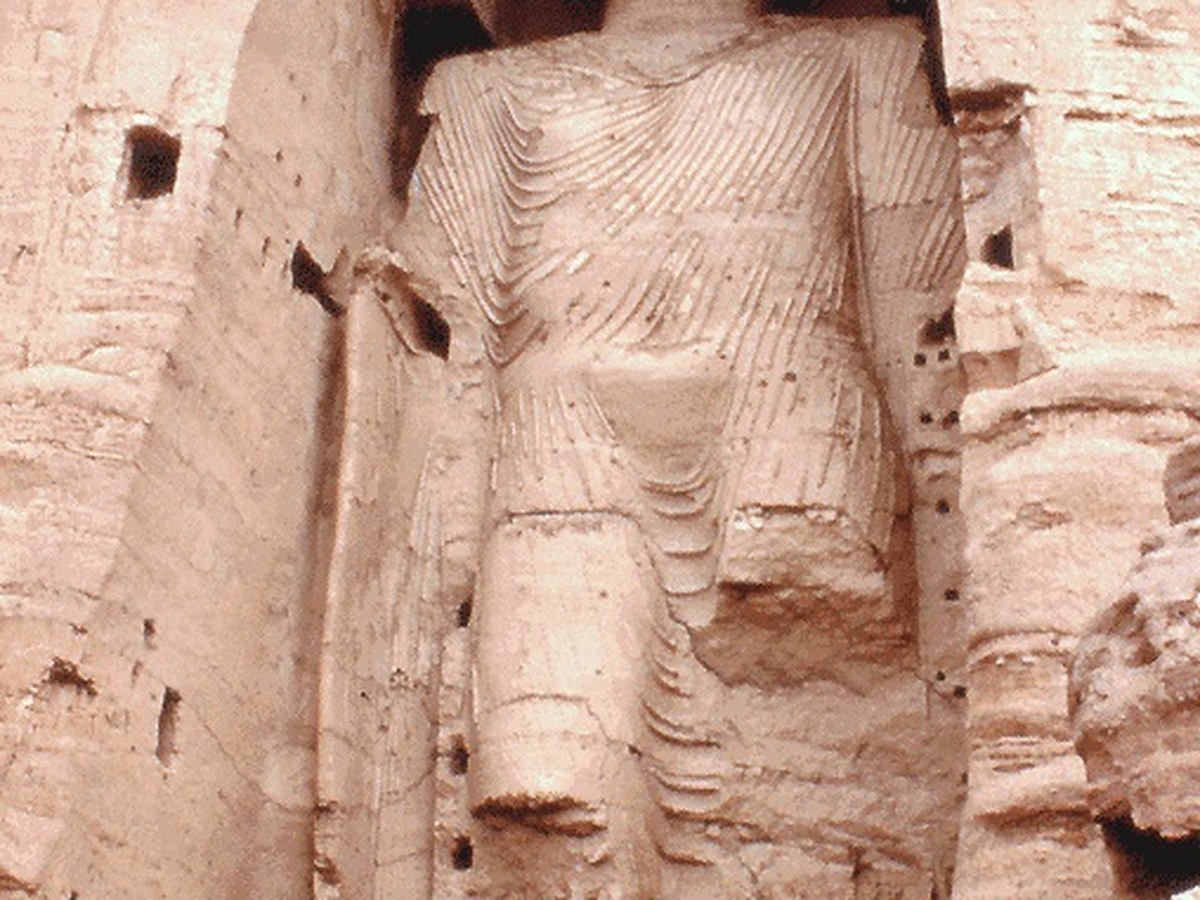
Photo: James Gordon via Wikimedia Commons, CC BY 4.0. Cropped and resized for display.
Landmark facts
| Location | Bamiyan, Afghanistan |
|---|---|
| Type | Historic Site |
| Built | c. 6th–7th century |
| Height | Height: 55 m |
| Coordinates | 34.8320° N, 67.8267° E |
Every fact above is taken from the sources listed below; anything no source states is left blank rather than guessed.
What Buddhas of Bamiyan is known for
The Buddhas of Bamiyan were two monumental Buddhist reliefs in the Bamiyan Valley of what is now Afghanistan, carved possibly around the 6th-century.
About Buddhas of Bamiyan
The Buddhas of Bamiyan were two monumental Buddhist reliefs in the Bamiyan Valley of what is now Afghanistan, carved possibly around the 6th-century. Located 130 kilometres (81 mi) to the northwest of Kabul, at an elevation of 2,500 metres (8,200 ft), carbon dating of the structural components of the Buddhas has determined the smaller 38 m (125 ft) "Eastern Buddha" was built around 570 CE, and the larger 55 m (180 ft) "Western Buddha" was built around 618, which would date both to the time when the Hephthalites ruled the region. In March 2001, both structures were destroyed by the Taliban following an order given on February 26, 2001, by Taliban leader Mullah Muhammad Omar, to destroy all the statues in Afghanistan "so no one can worship or respect them in the future". International and local opinion condemned the destruction of the Buddhas.
History
Bamiyan lies on the Silk Road, which runs through the Hindu Kush mountain region in the Bamiyan Valley. The Silk Road has been historically a caravan route linking the markets of China with those of the Western world. It was the site of several Buddhist monasteries, and a thriving center for religion, philosophy, and art. Monks at the monasteries lived as hermits in small caves carved into the side of the Bamyan cliffs.
How to get there
| Nearest town | Bamiyan |
|---|---|
| Nearest airport | Kabul International Airport (KBL) |
| Distance from the airport | 80.8 miles (straight line) |
Nearest major airport by straight-line distance from the landmark’s coordinates; road distance will be longer.
Airports near this landmark
The airports a visitor would actually fly into, nearest first — each link opens its profile on our sister site AirportProfiles.
- Kabul International Airport (KBL) · Kabul, Afghanistan · 80.8 miles away
- Mazar-i-Sharif International Airport (MZR) · Mazar-i-Sharif, Afghanistan · 133.9 miles away
Landmarks nearby
The closest landmarks in this library, by straight-line distance.
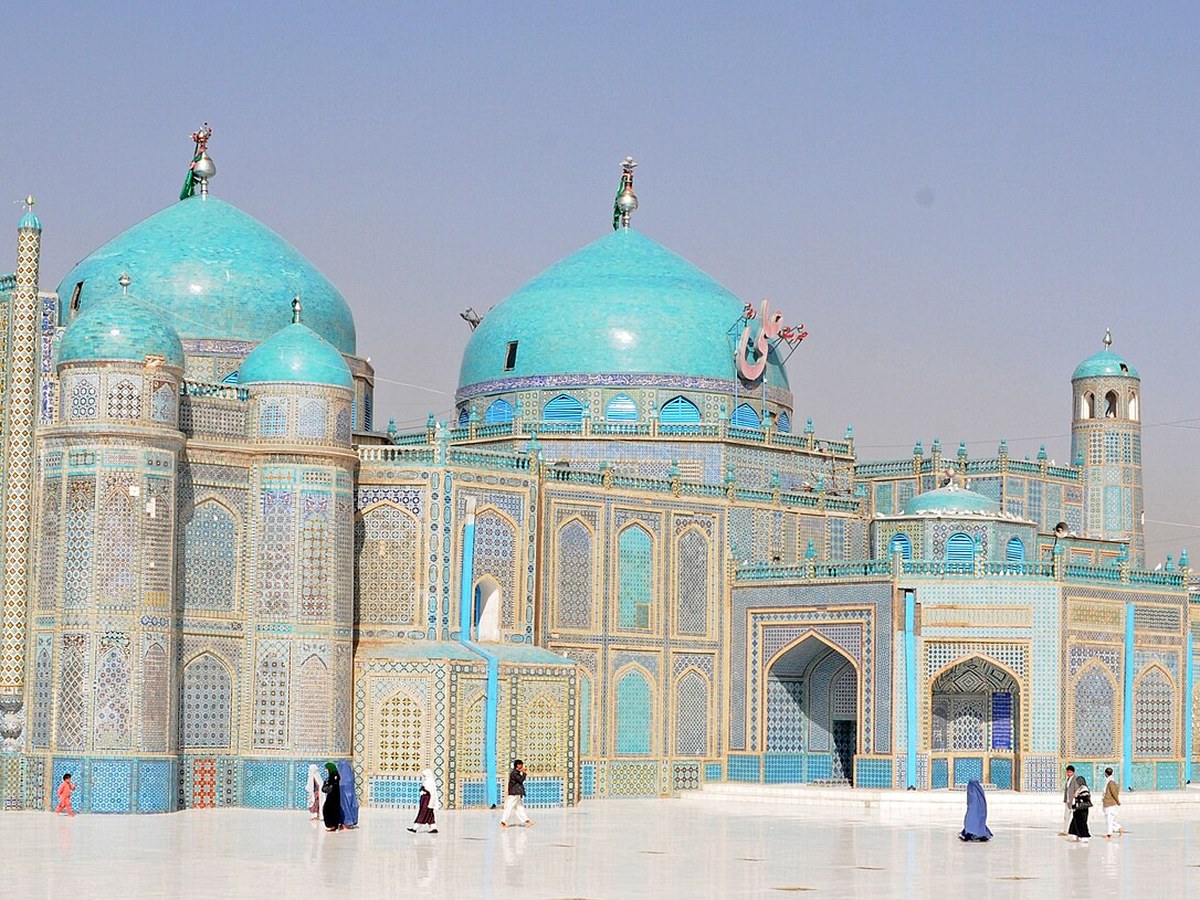
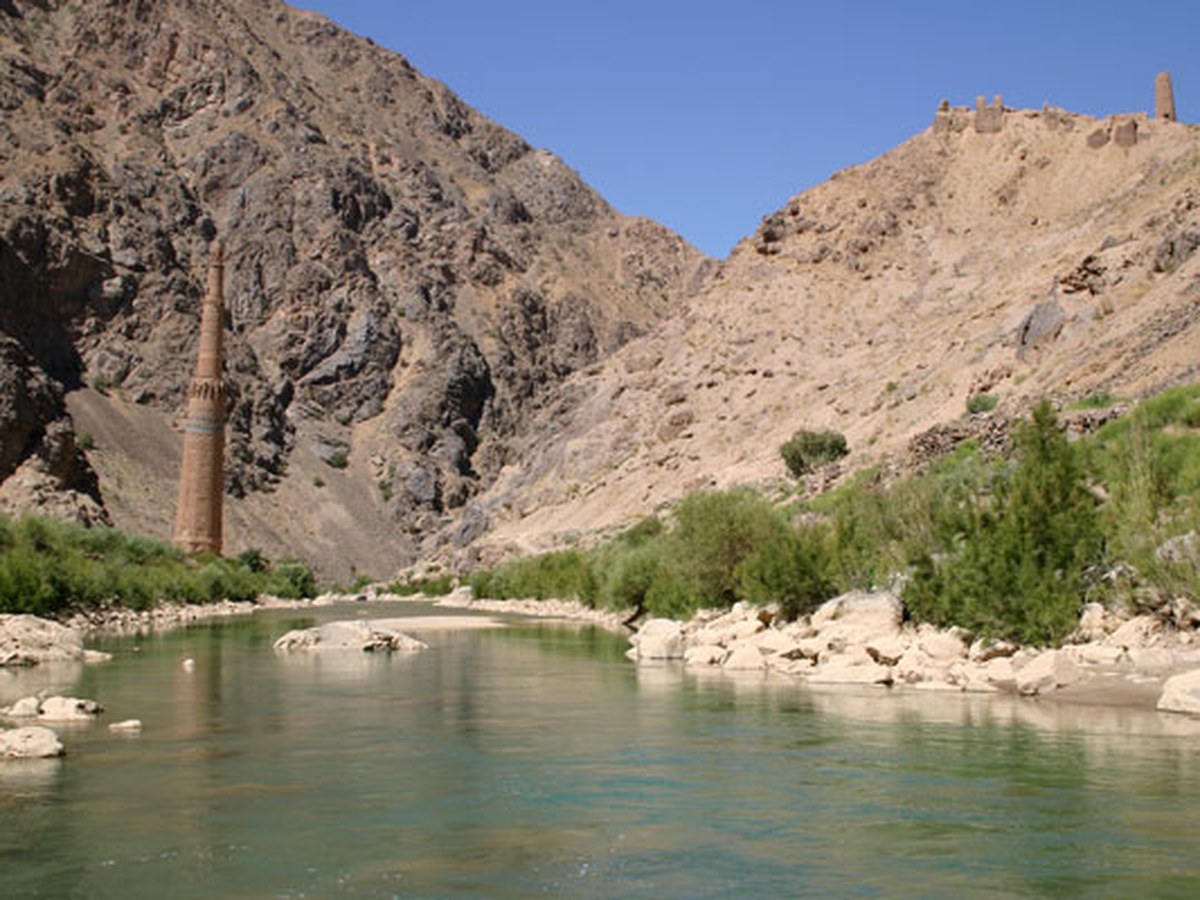
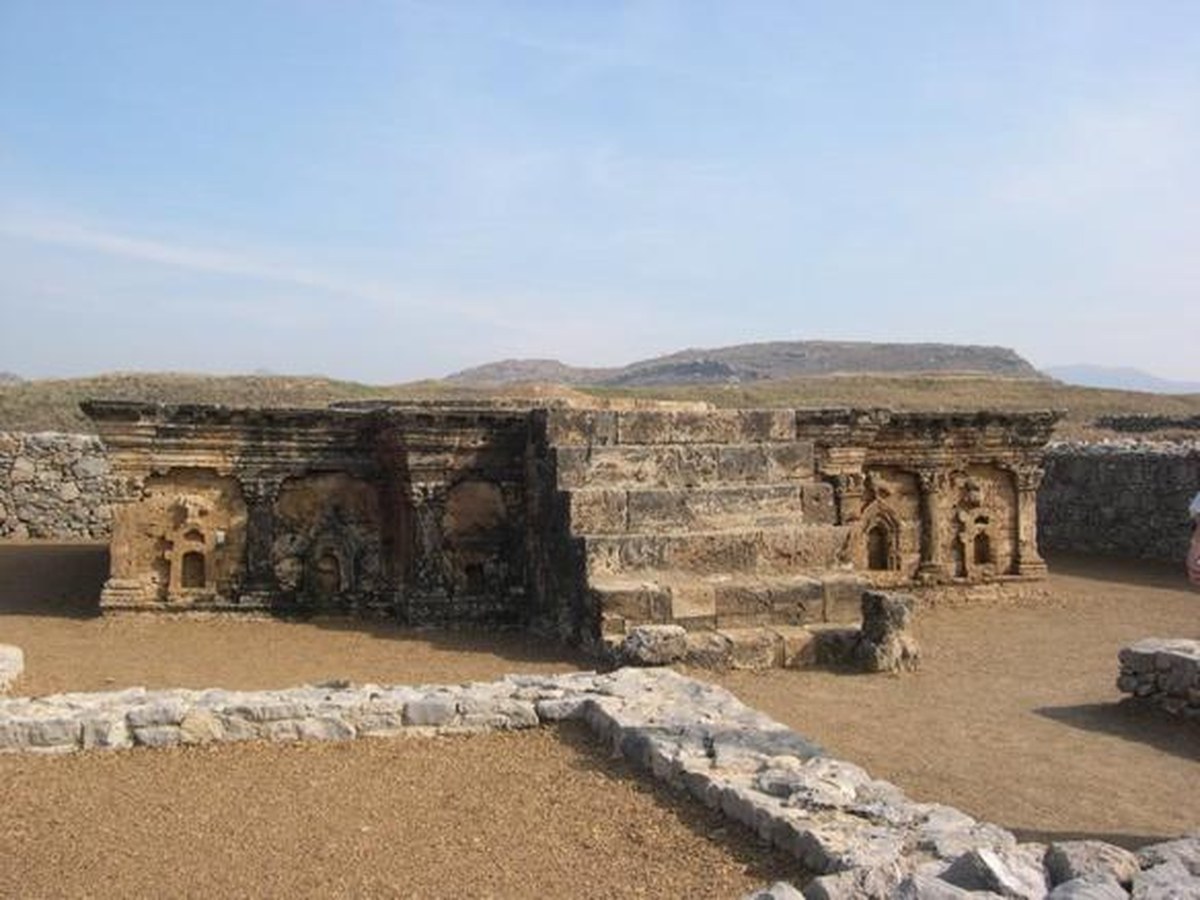
More landmarks in Afghanistan
More historic sites


Frequently asked questions
What is Buddhas of Bamiyan?
The Buddhas of Bamiyan were two monumental Buddhist reliefs in the Bamiyan Valley of what is now Afghanistan, carved possibly around the 6th-century.
Where is Buddhas of Bamiyan located?
Buddhas of Bamiyan is in Bamiyan, Afghanistan. Its coordinates are 34.8320° N, 67.8267° E.
How do I get to Buddhas of Bamiyan?
The nearest town is Bamiyan, and the nearest airport is Kabul International Airport (KBL), about 80.8 miles away (straight line).
When was Buddhas of Bamiyan built?
Buddhas of Bamiyan was built c. 6th–7th century.
Sources
- https://en.wikipedia.org/wiki/Buddhas_of_Bamiyan — Wikipedia article — overview, history and core facts (CC BY-SA).
- https://www.wikidata.org/wiki/Q484458 — Wikidata — built year, architect, height/size, visitors, official website (CC0).
- https://github.com/jbrooksuk/JSON-Airports — Nearest major airport computed from landmark and airport coordinates (haversine); airport list: jbrooksuk/JSON-Airports.
Page last updated 13 November 2026.