
Historic Site · Oświęcim, Poland
Auschwitz-Birkenau
Auschwitz, also known as Oświęcim, was a complex of over 40 concentration and extermination camps operated by Nazi Germany in occupied Poland (in a portion ann. Built 1940. It drew 1,830,000 visitors in 2024.
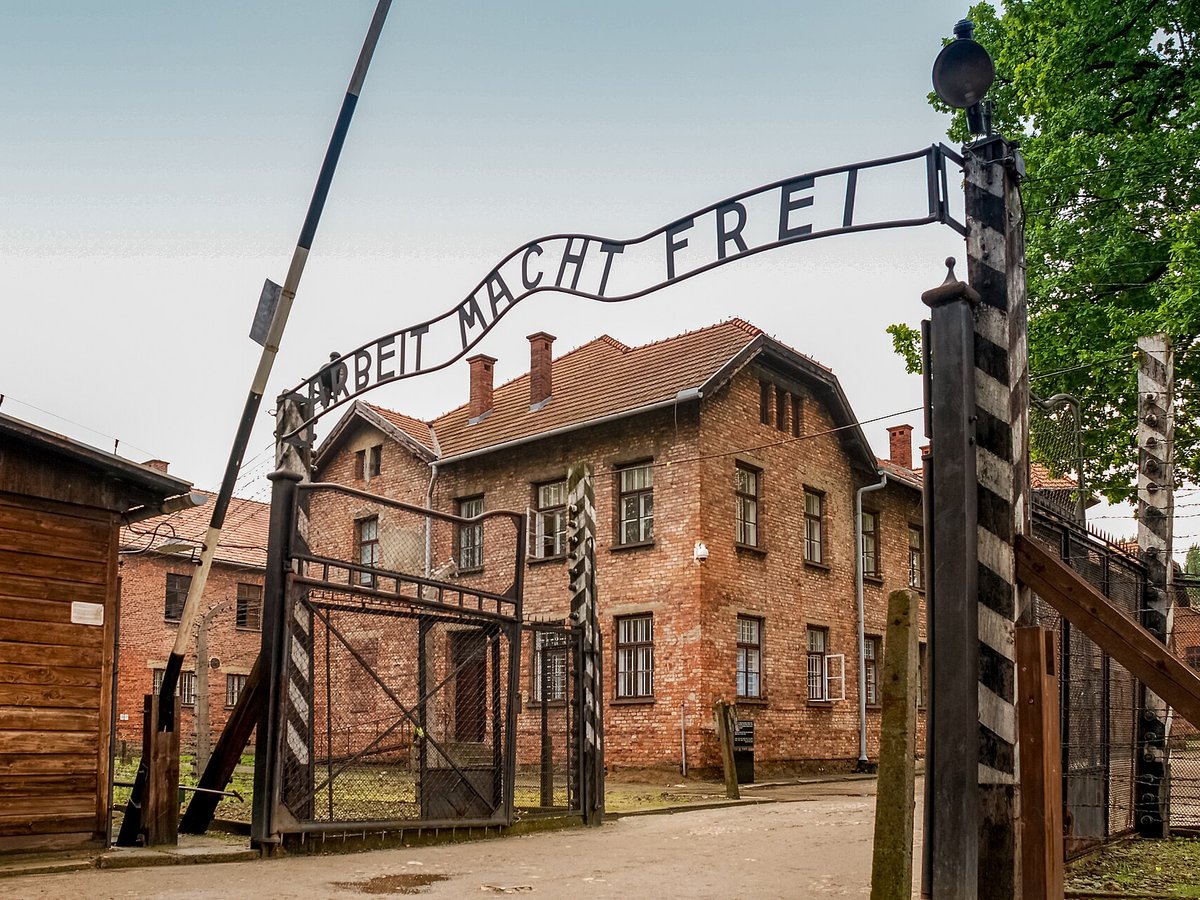
Photo: File:Auschwitz I (22 May 2010).jpg: xiquinhosilva derivative work: Georgfotoart via Wikimedia Commons, CC BY 2.0. Cropped and resized for display.
Landmark facts
| Location | Oświęcim, Poland |
|---|---|
| Type | Historic Site |
| Built | 1940 |
| Area | Area: 1.92 km² |
| Annual visitors (2024) | 1,830,000 |
| Coordinates | 50.0358° N, 19.1783° E |
Every fact above is taken from the sources listed below; anything no source states is left blank rather than guessed.
What Auschwitz-Birkenau is known for
Auschwitz, also known as Oświęcim, was a complex of over 40 concentration and extermination camps operated by Nazi Germany in occupied Poland (in a portion ann.
About Auschwitz-Birkenau
Auschwitz, also known as Oświęcim, was a complex of over 40 concentration and extermination camps operated by Nazi Germany in occupied Poland (in a portion annexed into Germany in 1939) during World War II and the Holocaust. It consisted of Auschwitz I, the main camp (Stammlager) in Oświęcim; Auschwitz II-Birkenau, a concentration and extermination camp with gas chambers, Auschwitz III-Monowitz, a labour camp for the chemical conglomerate IG Farben, and dozens of subcamps. After Germany initiated World War II by invading Poland in September 1939, the Schutzstaffel (SS) converted Auschwitz I, an army barracks, into a prisoner-of-war camp.
History
After visiting Auschwitz I in March 1941, it appears that Himmler ordered that the camp be expanded, although Peter Hayes notes that, on 10 January 1941, the Polish underground told the Polish government-in-exile in London: "the Auschwitz concentration camp...can accommodate approximately 7,000 prisoners at present, and is to be rebuilt to hold approximately 30,000." Construction of Auschwitz II-Birkenau—called a Kriegsgefangenenlager (prisoner-of-war camp) on blueprints—began in October 1941 in Brzezinka, about three kilometers from Auschwitz I. The initial plan was that Auschwitz II would consist of four sectors (Bauabschnitte I–IV), each consisting of six subcamps (BIIa–BIIf) with their own gates and fences. The first two sectors were completed (sector BI was initially a quarantine cam
Planning a visit? Visit the official Auschwitz-Birkenau website — the official site has the current visiting information.
How to get there
| Nearest town | Oświęcim |
|---|---|
| Nearest airport | Katowice International Airport (KTW) |
| Distance from the airport | 30.4 miles (straight line) |
Nearest major airport by straight-line distance from the landmark’s coordinates; road distance will be longer.
Airports near this landmark
The airports a visitor would actually fly into, nearest first — each link opens its profile on our sister site AirportProfiles.
- Kraków John Paul II International Airport (KRK) · Balice, Poland · 27.1 miles away
- Katowice Wojciech Korfanty International Airport (KTW) · Katowice, Poland · 30.7 miles away
- Leoš Janáček Airport Ostrava (OSR) · Mošnov, Czech Republic · 53.0 miles away
Landmarks nearby
The closest landmarks in this library, by straight-line distance.
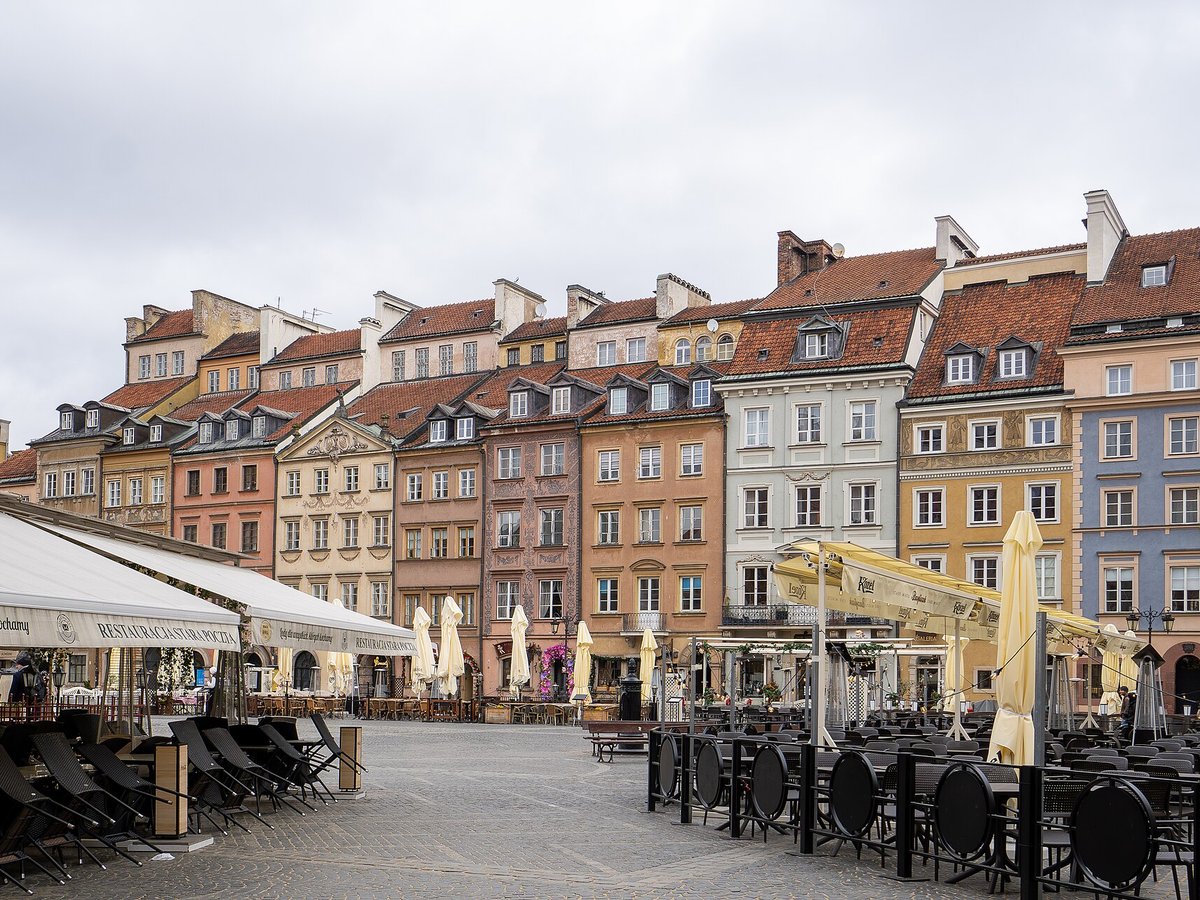
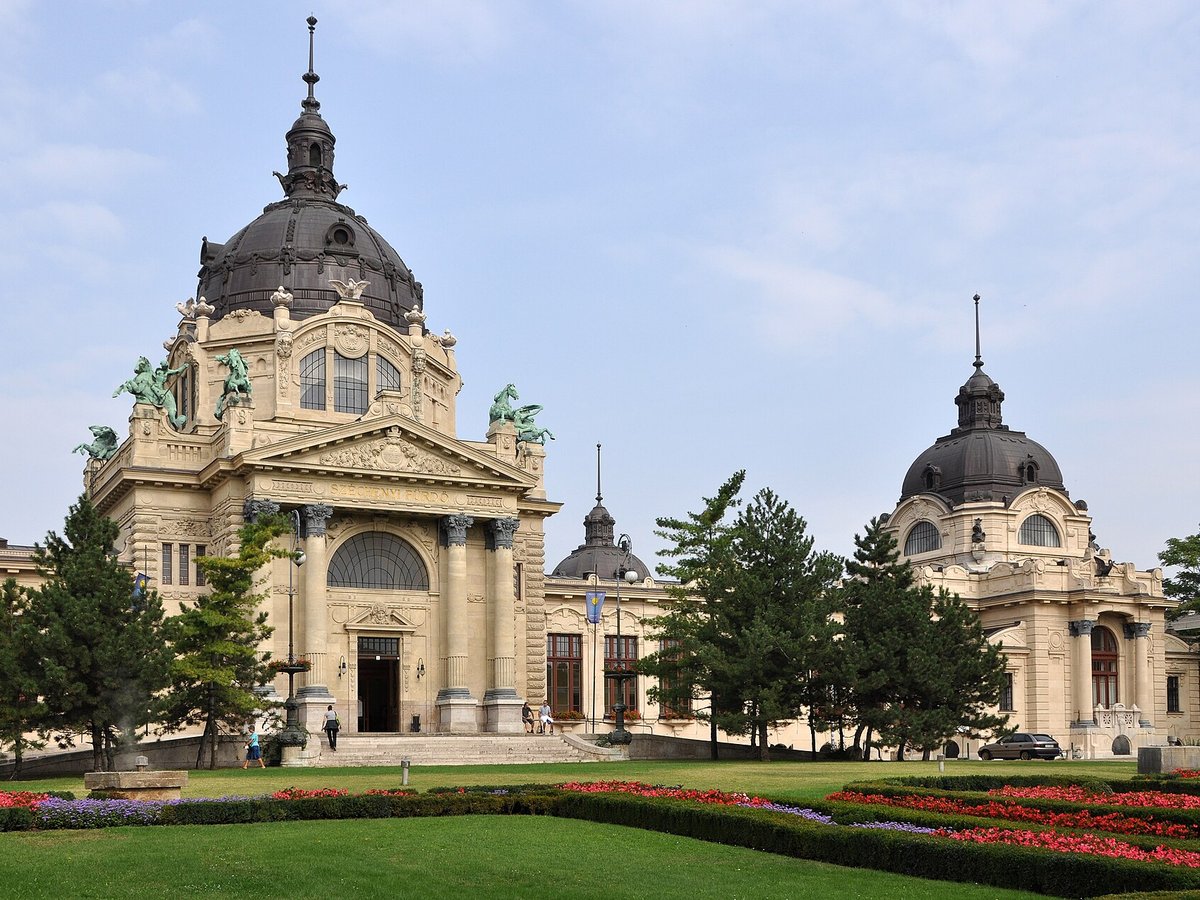
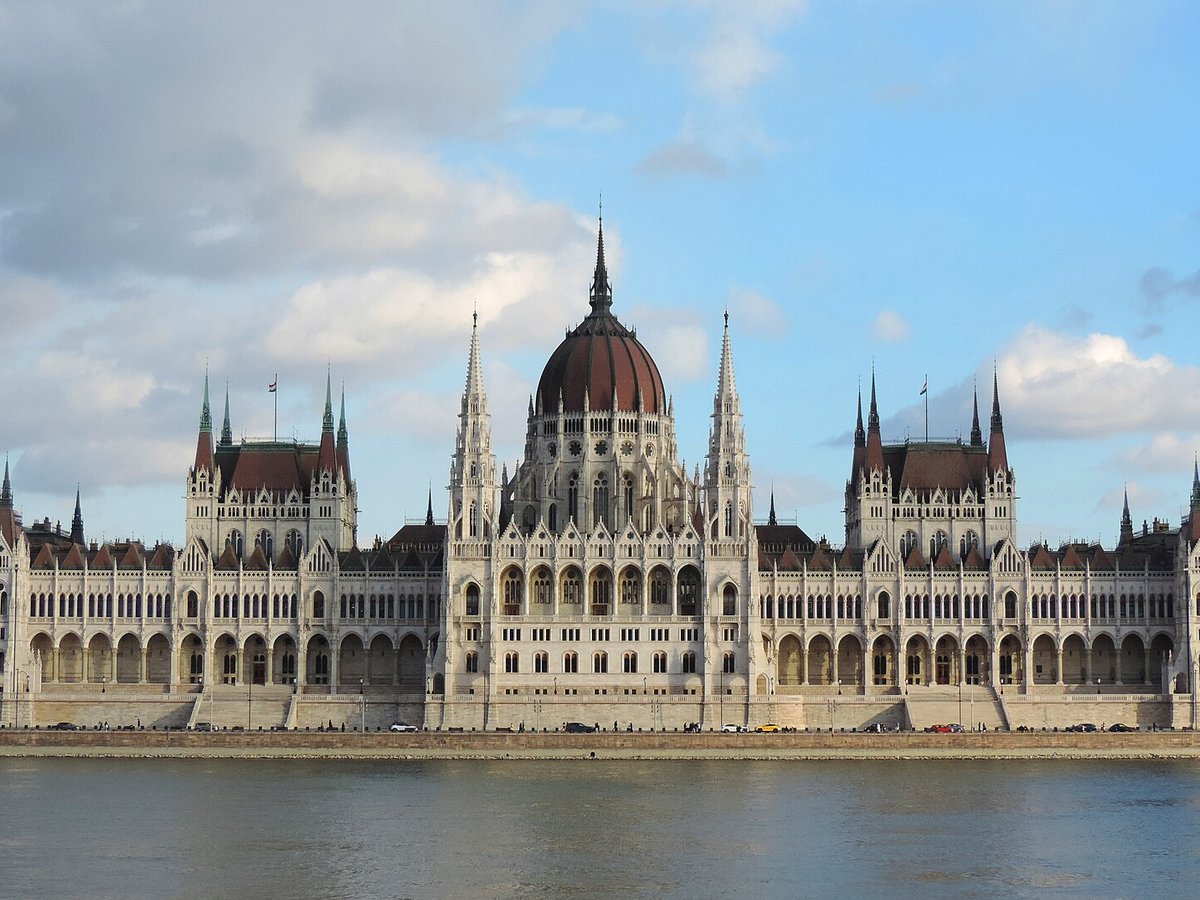
More landmarks in Poland
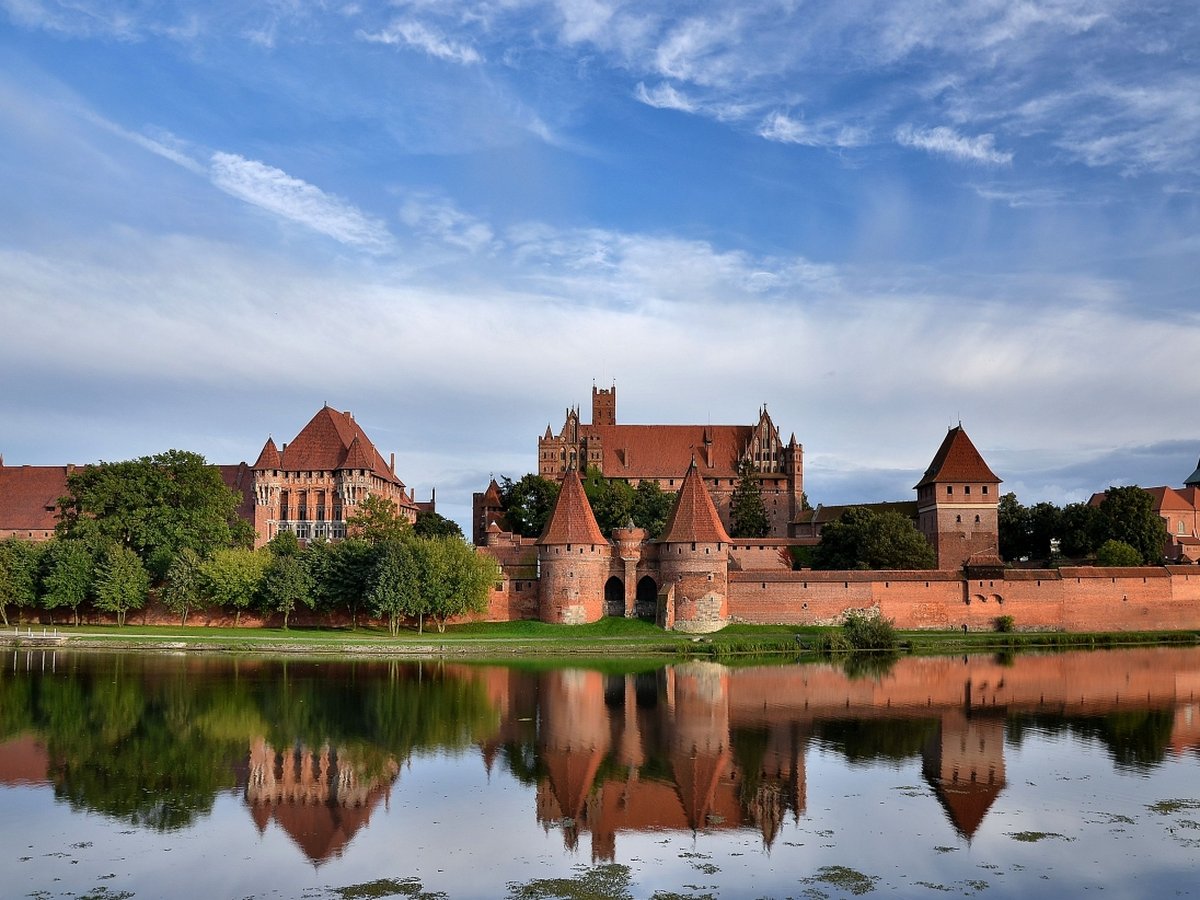
More historic sites

Frequently asked questions
What is Auschwitz-Birkenau?
Auschwitz, also known as Oświęcim, was a complex of over 40 concentration and extermination camps operated by Nazi Germany in occupied Poland (in a portion ann.
Where is Auschwitz-Birkenau located?
Auschwitz-Birkenau is in Oświęcim, Poland. Its coordinates are 50.0358° N, 19.1783° E.
How do I get to Auschwitz-Birkenau?
The nearest town is Oświęcim, and the nearest airport is Katowice International Airport (KTW), about 30.4 miles away (straight line).
When was Auschwitz-Birkenau built?
Auschwitz-Birkenau was built 1940.
Sources
- https://en.wikipedia.org/wiki/Auschwitz_concentration_camp — Wikipedia article — overview, history and core facts (CC BY-SA).
- https://www.wikidata.org/wiki/Q7341 — Wikidata — built year, architect, height/size, visitors, official website (CC0).
- http://www.auschwitz.org/ — Official website of the landmark / managing body.
- https://github.com/jbrooksuk/JSON-Airports — Nearest major airport computed from landmark and airport coordinates (haversine); airport list: jbrooksuk/JSON-Airports.
Page last updated 13 November 2026.