
Palace · Seville, Spain
Alcázar of Seville
The Alcázar of Seville, officially called Royal Alcázar of Seville (Spanish: Real Alcázar de Sevilla or Reales Alcázares de Sevilla), is a historic royal palace in Seville, Spain and one of the official residences of the Spanish royal family. Built 1364.
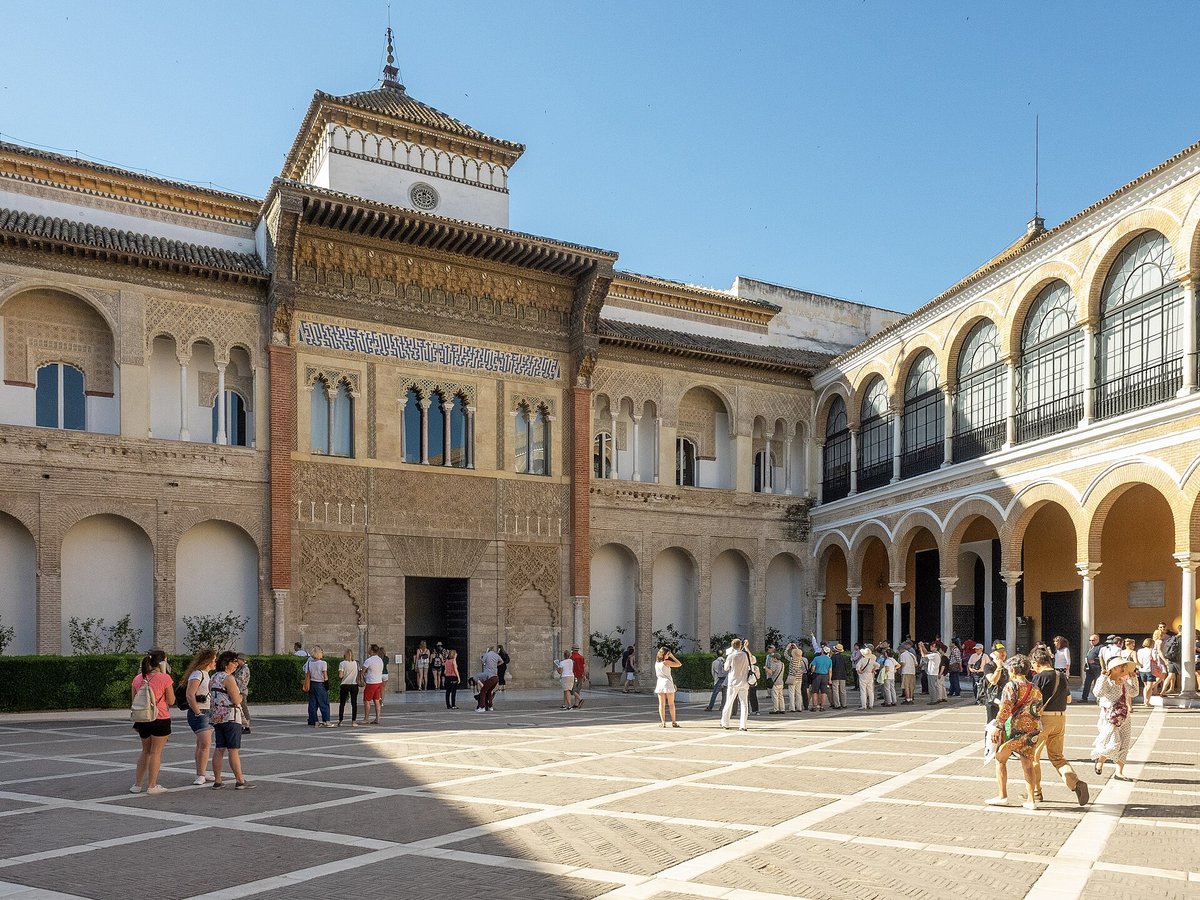
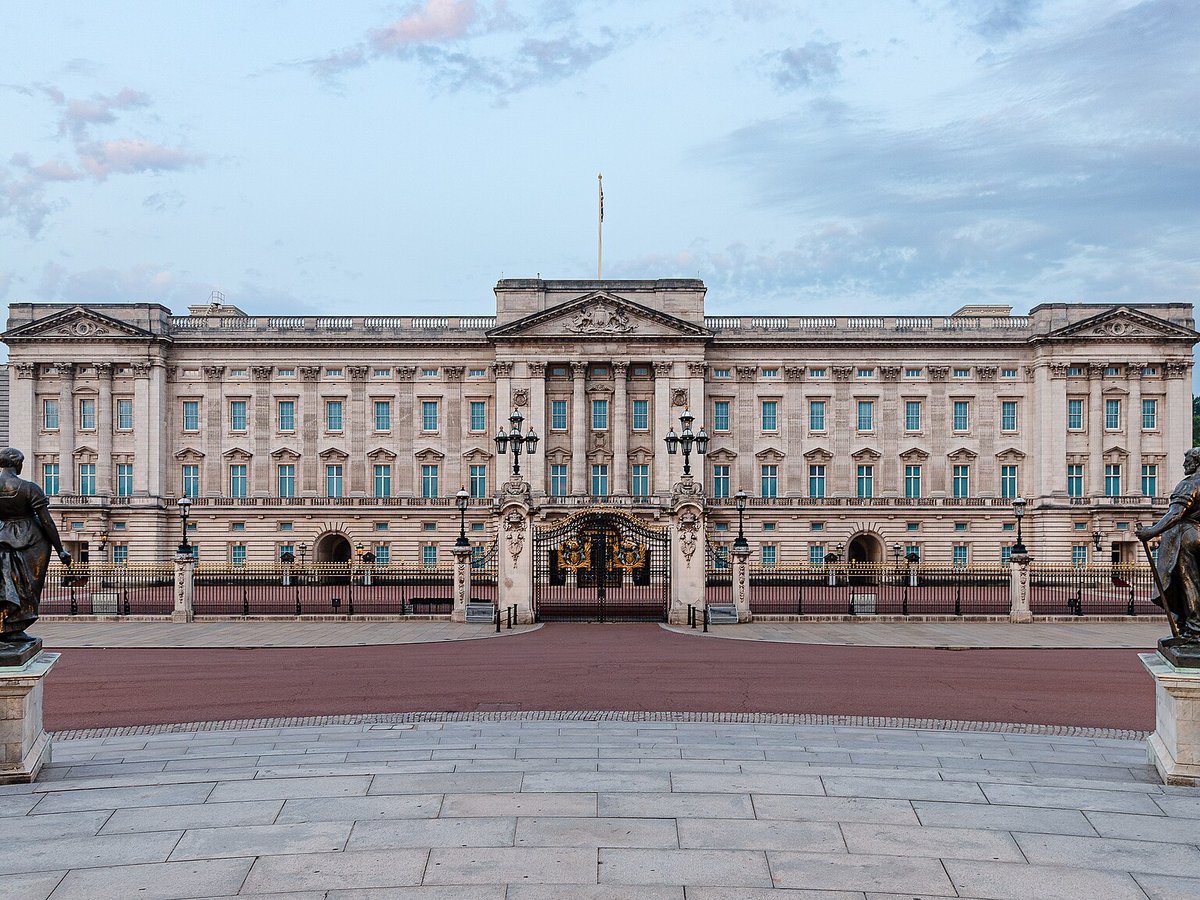
Photo: Ajay Suresh from New York, NY, USA. Edited by MenkinAlRire via Wikimedia Commons, CC BY 2.0. Cropped and resized for display.
Landmark facts
| Location | Seville, Spain |
|---|---|
| Type | Palace |
| Built | 1364 |
| Area | Area: 0.683 km² |
| Coordinates | 37.3844° N, 5.9912° W |
Every fact above is taken from the sources listed below; anything no source states is left blank rather than guessed.
What Alcázar of Seville is known for
The Alcázar of Seville, officially called Royal Alcázar of Seville (Spanish: Real Alcázar de Sevilla or Reales Alcázares de Sevilla), is a historic royal palace in Seville, Spain and one of the official residences of the Spanish royal family.
About Alcázar of Seville
The Alcázar of Seville, officially called Royal Alcázar of Seville (Spanish: Real Alcázar de Sevilla or Reales Alcázares de Sevilla), is a historic royal palace in Seville, Spain and one of the official residences of the Spanish royal family. It was formerly the site of the Islamic-era citadel of the city, begun in the 10th century under the Umayyads and then developed into a larger palace complex by the Abbadid dynasty (11th century) and the Almohads (12th to early 13th centuries). After the Castilian conquest of the city in 1248, the site was progressively rebuilt and replaced by new palaces and gardens.
History
In the year 712, Seville was conquered by the Umayyad Caliphate. In the year 913–914, after a revolt against the government of Córdoba, the first emir of Córdoba, Abd al-Rahman III, built a fortified construction in place of a Visigothic Christian basilica. It was a quadrangular, roughly square enclosure about 100 metres (330 ft) long on each side, fortified with walls and rectangular towers, and annexed to the city walls.
Planning a visit? Visit the official Alcázar of Seville website — the official site has the current visiting information.
How to get there
| Nearest town | Seville |
|---|---|
| Nearest airport | Sevilla Airport (SVQ) |
| Distance from the airport | 5.7 miles (straight line) |
Nearest major airport by straight-line distance from the landmark’s coordinates; road distance will be longer.
Airports near this landmark
The airports a visitor would actually fly into, nearest first — each link opens its profile on our sister site AirportProfiles.
- Seville Airport (SVQ) · Seville, Spain · 5.9 miles away
- Gibraltar Airport (GIB) · Gibraltar, Gibraltar · 92.3 miles away
- Málaga-Costa del Sol Airport (AGP) · Málaga, Spain · 95.6 miles away
Landmarks nearby
The closest landmarks in this library, by straight-line distance.
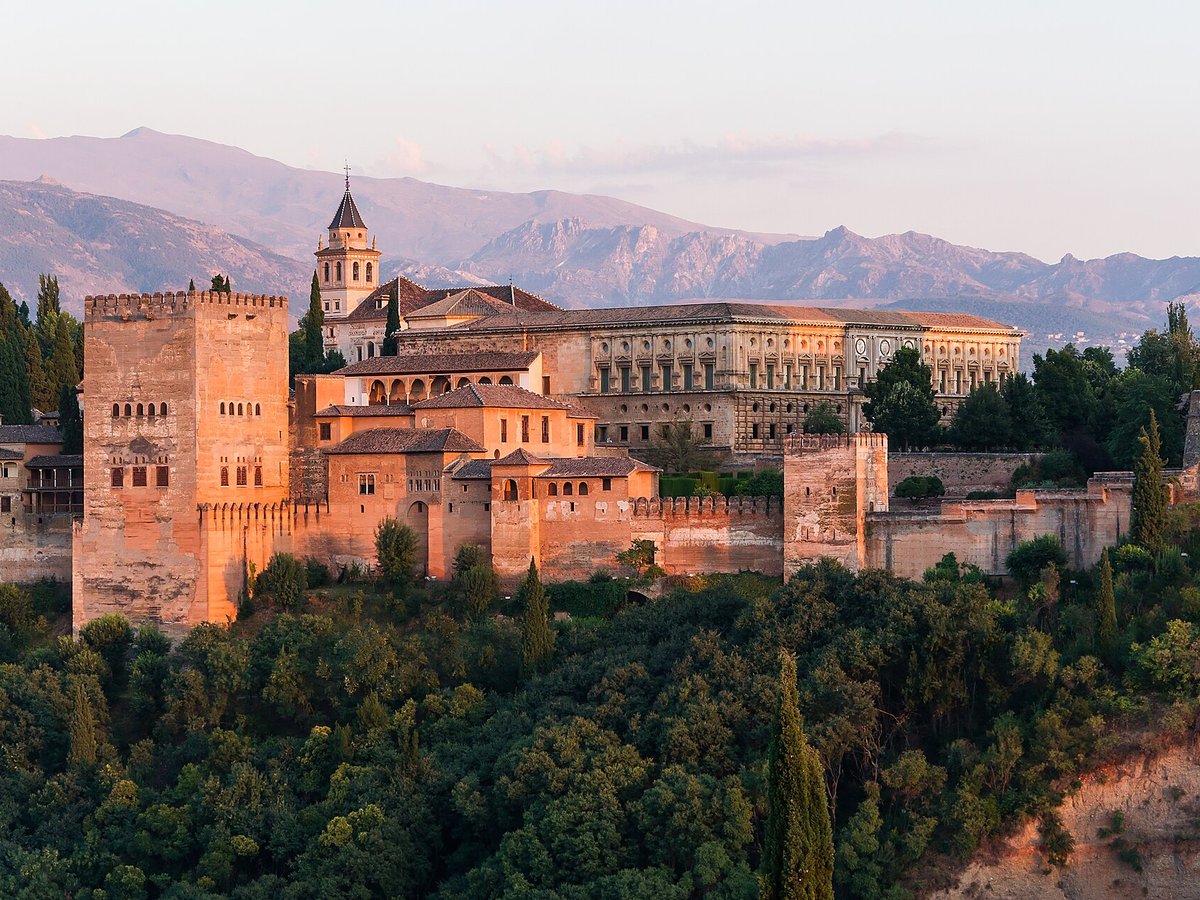
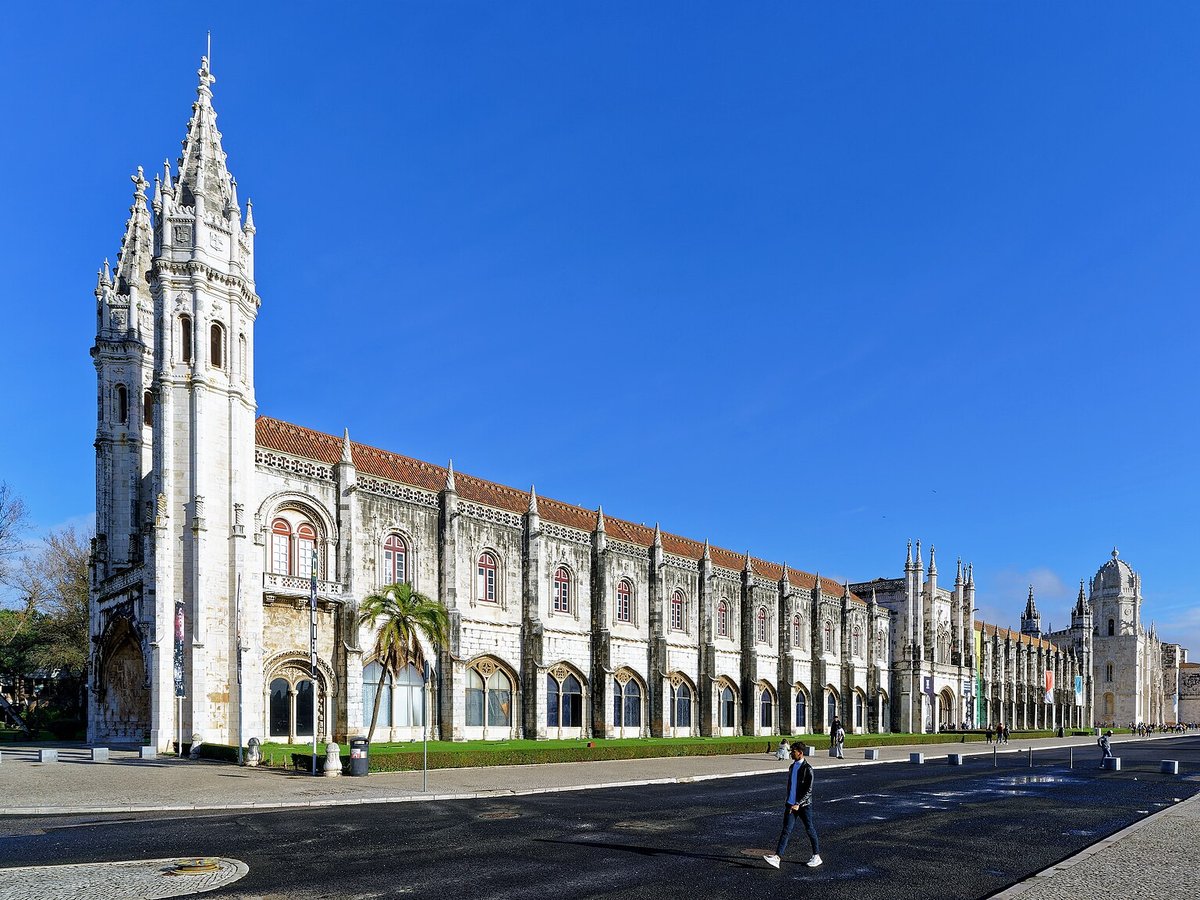
More landmarks in Spain
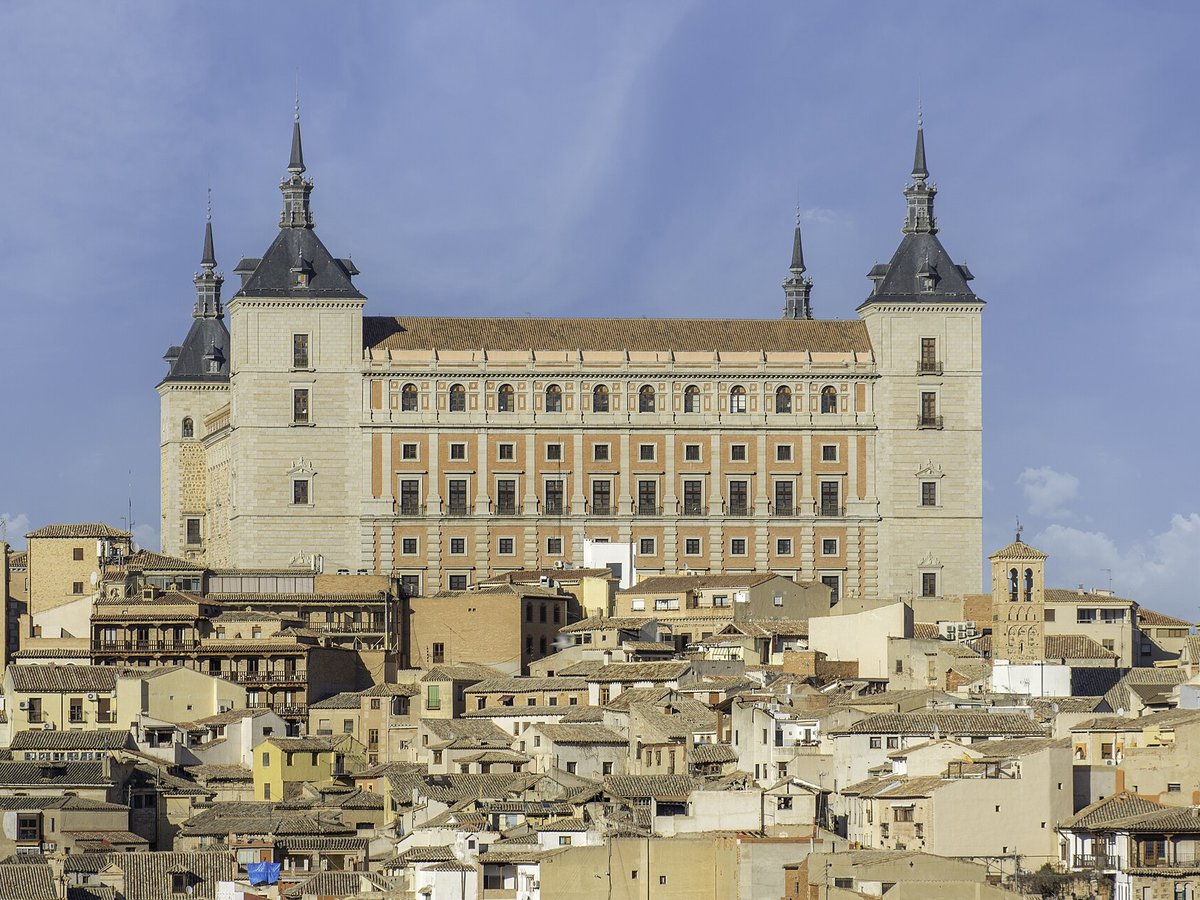
More palaces

Frequently asked questions
What is Alcázar of Seville?
The Alcázar of Seville, officially called Royal Alcázar of Seville (Spanish: Real Alcázar de Sevilla or Reales Alcázares de Sevilla), is a historic royal palace in Seville, Spain and one of the official residences of the Spanish royal family.
Where is Alcázar of Seville located?
Alcázar of Seville is in Seville, Spain. Its coordinates are 37.3844° N, 5.9912° W.
How do I get to Alcázar of Seville?
The nearest town is Seville, and the nearest airport is Sevilla Airport (SVQ), about 5.7 miles away (straight line).
When was Alcázar of Seville built?
Alcázar of Seville was built 1364.
Sources
- https://en.wikipedia.org/wiki/Alcázar_of_Seville — Wikipedia article — overview, history and core facts (CC BY-SA).
- https://www.wikidata.org/wiki/Q498261 — Wikidata — built year, architect, height/size, visitors, official website (CC0).
- http://www.alcazarsevilla.org/ — Official website of the landmark / managing body.
- https://github.com/jbrooksuk/JSON-Airports — Nearest major airport computed from landmark and airport coordinates (haversine); airport list: jbrooksuk/JSON-Airports.
Page last updated 13 November 2026.